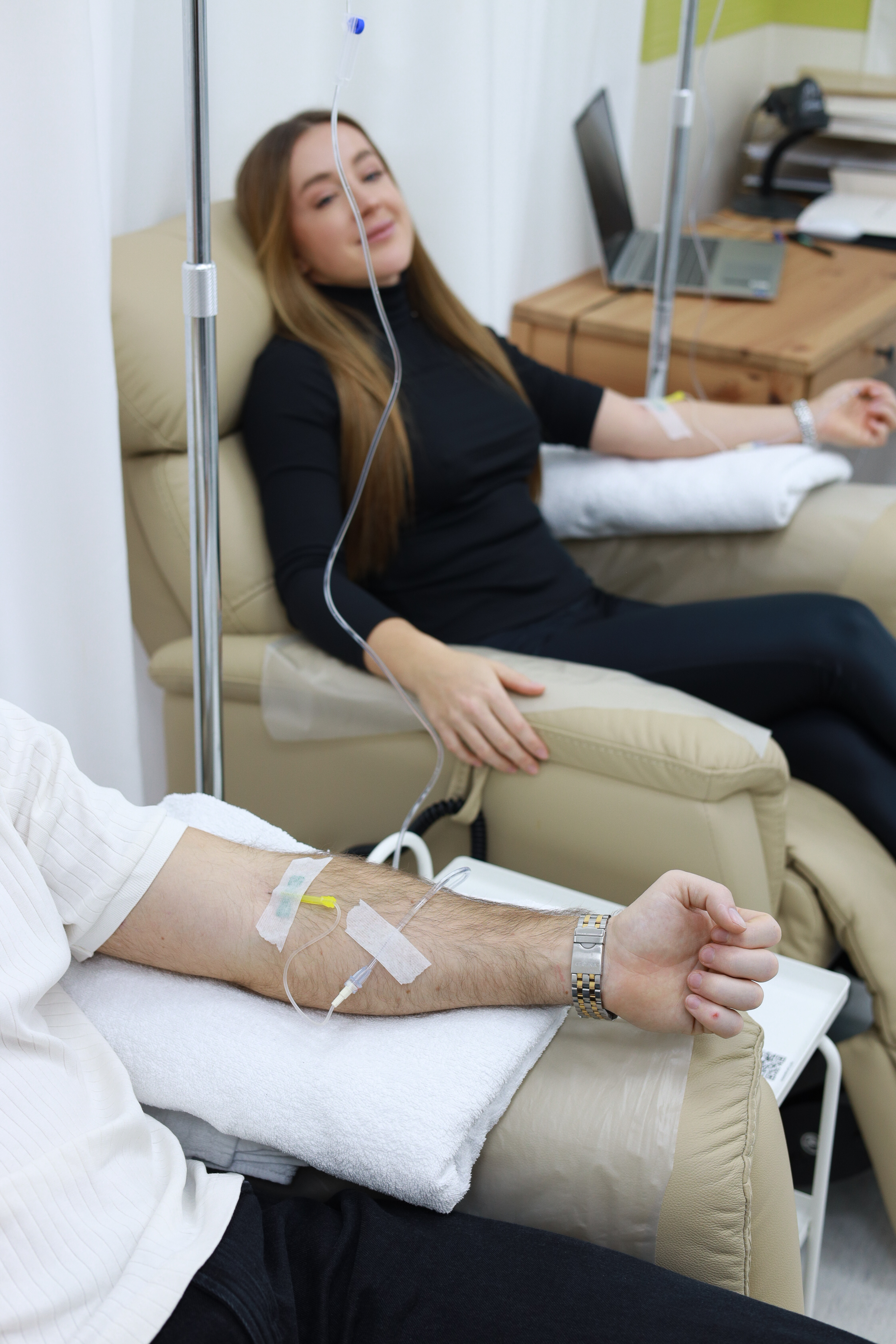
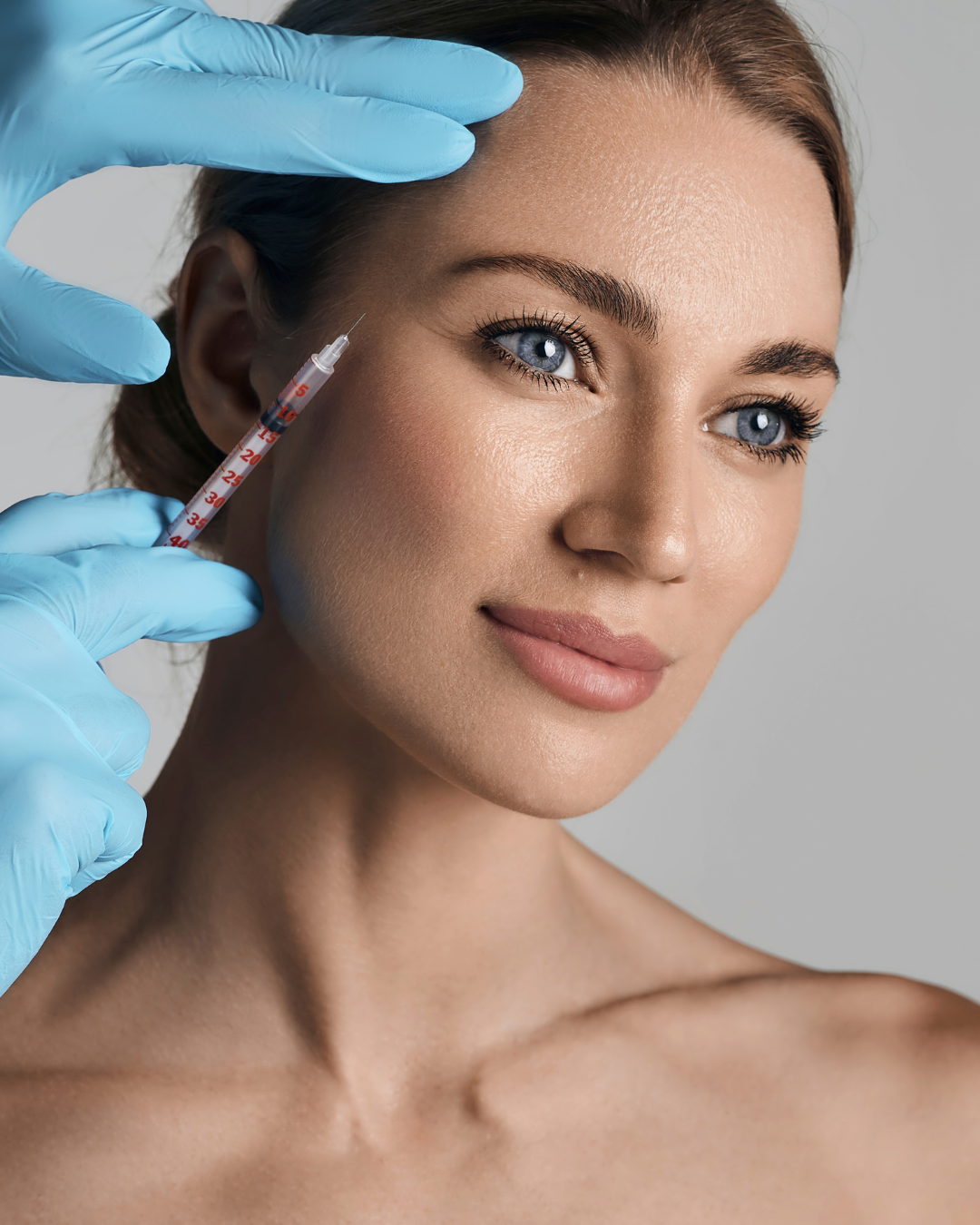
Botulinum toxin injections for wrinkles, hyaluronic acid lip fillers, mesotherapy, and injectable skin revitalization treatments. Procedures that, just a few years ago, were mainly performed in plastic surgery and dermatology clinics are now commonly advertised by beauty salons, hair salons, and aesthetic studios in shopping centres.
Mobile aesthetic services have also become increasingly popular. Clients can book appointments through Instagram and receive injections at home, in hotel rooms, or even at so-called “Botox parties.”
The problem is that these are medical procedures, not ordinary cosmetic skincare treatments. This distinction creates serious risks that many clients only recognise when complications have already occurred.
Why Does This Matter?
Botulinum toxin is a prescription medicine, while injectable hyaluronic acid fillers are generally classified as medical devices.
Both are administered through injections into living tissue, often close to blood vessels, nerves, and other anatomical structures. Incorrect injection techniques can cause serious and potentially permanent damage.
These are not facial creams or skincare masks. They are invasive procedures requiring a thorough understanding of anatomy, pharmacology, contraindications, and the ability to recognise and manage complications immediately.
Slovak legislation is becoming stricter in this area.
An amendment to Act No. 355/2007 Coll., approved by the Slovak government in March 2026, specifically identifies procedures that cannot be performed in ordinary beauty and personal care establishments. These include procedures affecting deeper layers of the skin and those that compromise its integrity.
The Ministry of Health has also confirmed that regulations concerning aesthetic procedures are undergoing further clarification as part of the legislative process.
Regardless of the final details of the legislation, one essential principle remains: botulinum toxin injections and injectable hyaluronic acid treatments must be performed by appropriately qualified medical professionals in authorised healthcare facilities, in accordance with Slovak regulations.
5 Things to Check Before an Aesthetic Procedure
1. Who Will Perform the Procedure?
Do not simply ask whether the practitioner has a certificate. Ask whether they are a qualified medical doctor.
A certificate from a weekend training course cannot replace years of medical education and clinical experience.
Checking a practitioner’s qualifications and professional background is not a sign of distrust. It is an essential step in protecting your health.
2. Where Will the Procedure Take Place?
An authorised healthcare facility must meet professional and hygiene standards, have appropriate equipment to manage acute complications, and operate under clearly defined medical responsibilities.
Private apartments, hotel rooms, temporary treatment spaces, and beauty salons without healthcare authorisation may not meet these requirements, even when a procedure appears simple or routine.
3. Which Products Will Be Used?
Botulinum toxin products are registered as medicines in Slovakia, while injectable hyaluronic acid fillers are generally classified as Class III medical devices.
You have the right to know which product is being injected, its manufacturer, and its origin.
If someone presents an unlabelled vial or claims that the product’s identity does not matter, consider it a serious warning sign.
4. Will You Have a Medical Consultation Before Treatment?
A responsible medical provider will assess your health, allergies, current medications, previous procedures, and potential risks.
The doctor should also evaluate your individual facial anatomy before recommending treatment.
If someone offers to perform injections immediately without asking about your medical history, this is not an appropriate medical approach.
5. How Are Complications Managed?
Ask what happens if a complication occurs.
A qualified doctor working in an authorised healthcare facility should have professional liability insurance, access to appropriate emergency medications, and established procedures for managing complications.
For example, hyaluronidase may be used to dissolve hyaluronic acid fillers when certain complications occur, including vascular complications.
A mobile practitioner who leaves immediately after treatment may not be able to provide the necessary emergency care.
Warning Signs You Should Never Ignore
What Does the Evidence Show?
Concerns about complications associated with improperly performed aesthetic injections have attracted increasing attention from healthcare authorities in Slovakia and internationally.
Potential complications of botulinum toxin and dermal filler injections include facial muscle weakness, difficulty closing the eyelid, infections, and vascular complications that may result in permanent tissue damage.
In severe cases, vascular complications associated with dermal fillers can lead to tissue necrosis or vision loss.
Similar concerns have emerged internationally.
During the summer of 2025, dozens of suspected botulism cases were reported in the United Kingdom following injections involving illegal or unlicensed botulinum toxin products.
These incidents prompted stronger enforcement measures and further discussions about regulating the non-surgical cosmetic procedures industry.
Why a “Cheaper Alternative” Can Actually Cost More
The price difference between treatment performed by a qualified doctor and injections offered by an unqualified practitioner may initially seem attractive.
However, this comparison overlooks the potential consequences if something goes wrong.
Managing complications, such as dissolving incorrectly administered fillers, treating infections, or providing long-term care for damaged tissue, can be significantly more expensive, time-consuming, and emotionally distressing than the original treatment.
Some complications, including permanent nerve damage or vision loss, may be irreversible.
The same principle applies to treatments purchased through discount platforms or group promotions.
Discounts may make sense when purchasing products, but medical procedures require a different approach.
The cost of a medical aesthetic treatment reflects not only the product itself but also the doctor’s expertise, the time required for proper assessment, appropriate equipment, and patient safety measures.
What Can You Check Before Booking an Appointment?
Most of these important details can and should be verified before scheduling your aesthetic treatment.
Check the clinic’s website. The practitioner performing the procedure should be clearly identified, including their medical qualifications and professional experience.
Verify the healthcare facility. A legitimate medical clinic should provide its contact details, physical address, and information about its authorisation to provide healthcare services.
Ask about a consultation. A responsible clinic should offer an appropriate medical assessment before treatment rather than arranging injections solely through phone calls or social media messages.
If you have any doubts, ask directly:
“Who exactly will perform my treatment, and what medical qualifications do they have?”
The answer, or an unwillingness to provide one, can tell you a great deal about the provider.
Beauty Should Never Come at the Expense of Safety
Aesthetic medicine can deliver excellent results, but only when treatments are performed with the medical expertise and care that the human body deserves.
Before undergoing any aesthetic procedure, ask yourself the same questions you would ask before any other medical treatment:
Who will treat me, where will the procedure take place, and which products will be used?
Beauty without caution is not aesthetic medicine. It is an unnecessary risk.
In most cases, that risk can be significantly reduced by making an informed decision and choosing a qualified medical professional at an authorised healthcare facility.
Sources